
We hear too often in 2026 news of festivals cancelling, folding, or hitting the buffers as they cite the overwhelming battle of staying afloat financially. In such a climate, you would expect the survivors to be the events with an obviously commercial emphasis, both in marketing and in the types of music on offer, so End of the Road celebrating its twentieth anniversary is something of a welcome relief to music lovers across the land. Here is a festival located at Larmer Tree Gardens, a picturesque site on the Dorset-Wiltshire border, that resolutely sails against the mainstream waters, but in doing so, manages to unite what, at times, can feel like a silent majority of UK music lovers fuelled by an open-minded passion for sounds of all styles and ages. And of course, that inevitably includes the odd act that can legitimately claim to be well known to a wider audience, but at its essence, this is a festival for the committed masses who listen to cool radio stations, regularly attend gigs in smaller venues and still collect records and CDs. And best of all, it is curated with a connoisseur’s ear, so an End of the Road (EOTR) experience is never going to be short of fresh delights, some beard-stroking introspection, unexpected curveballs, and a celebratory banger here and there. Consider some of the acts on the opening Thursday night main (Woods) stage and ask, what other large-scale festival is offering such diverse, radical fare? To that end, YHWH Nailgun are the sound of war, not quite non-music but definitely a band that uses their thunderous noise and clattering fuzz as a sonic assault.
That same sense of an explosive opening was adopted by other acts too on this first day, especially headliners Geese, fronted by the hotly touted Cameron Winter. Their angsty assault played none of the cards usually adopted by a festival headliner. Still, the large crowd easily gave them an 80% approval rating, and the remaining doubters seemed mostly confused by the relentless changes Geese packs into their art-rock set. Theirs is a combination that sounds a little like a lot of things from the rock and indie worlds; some of their excursions even echo Radiohead around the time they became undilutedly experimental, and I have to acknowledge the undeniable buzz emanating from the Geese believers, who are firm in their assertion that this is the most important band of their generation.
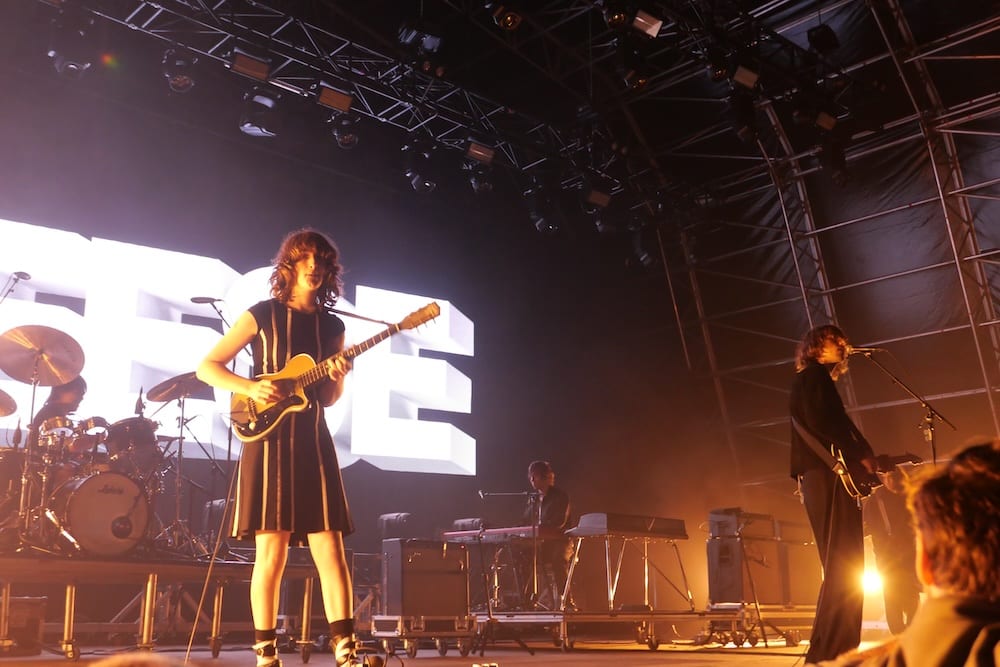
There was no such grand expectation over at the indoor Folly arena, particularly for M(h)aol, who took to the stage expressing gratitude for any audience presence at all. “We thought we’d be playing to the sound engineer”, joked singing drummer Constance Keane. They also favour the buzz of divebomb feedback and abrasive textures, but they attach it to songs fizzing with wit and guile. The frenzy that accompanies their screaming climax to the track ‘Pursuit’ is one of the weekend’s first standout moments.
I was back to the Folly to kick things off on Friday morning with Alex Amen. His style is early-sixties Dylan with the face of George Harrison, and, incredibly, the music fits this description. Delightful acoustic songcraft, as if he has time-travelled to late-sixties Big Pink, dipped his guitar in lake water, coated it with magical resonance that summons the spirits of all that era’s great Dylan-influenced songwriters, and formed timeless sounds that now burst forth for the benefit of this very lucky audience.
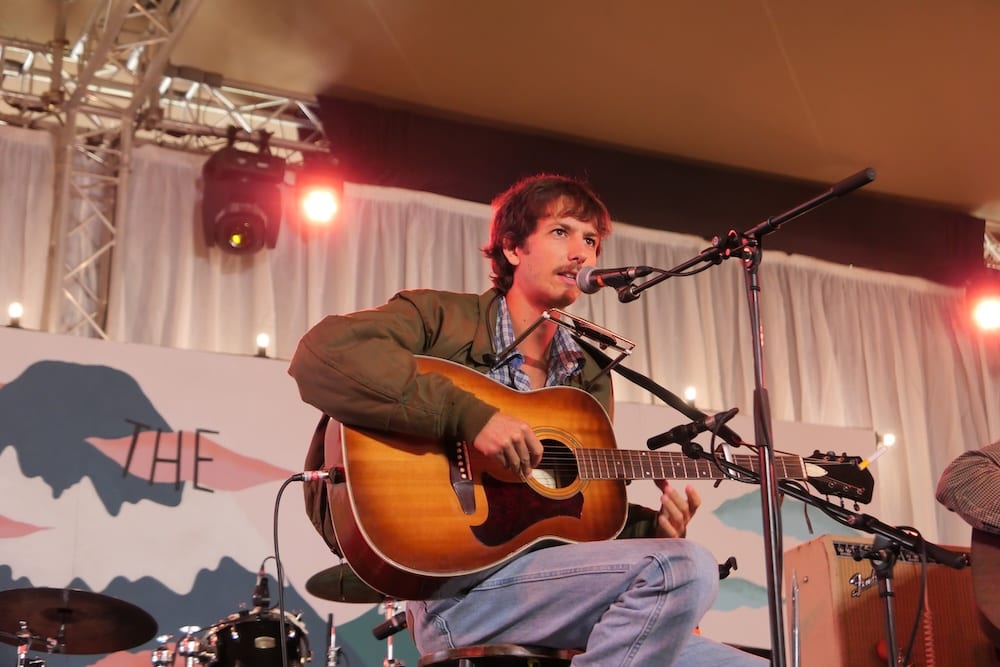
Still, if Alex Amen has us harking back to a golden age, Junior Brother is totally for the here and now. This is folk for our troubled planet; it is discordant, chaotic, angry and confused with plenty to say. He and his band could be called musical primitives if not for the fact that what they present is a highly sophisticated fusion of traditional Irish folk and an unfiltered punkish rage at the state of things. He may call himself “an optimist”, predicting the sun will come out later, but that anguished scream is for real.
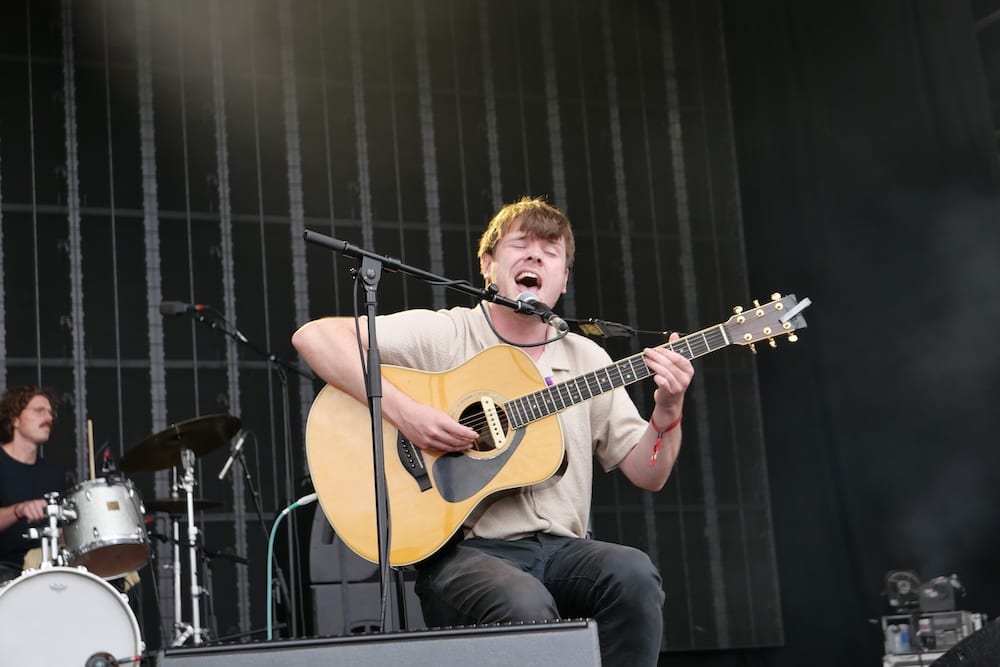
Later in the Big Top, Ghostwoman rock the guitar-wizard-and-drummer vibe. Their sound is propulsive psych rock that beats you into submission with grooves patented in the late 80s/early 90s indie-dance crossover days, laced with the kind of freedom that keeps psych a tasty proposition today. There is even a dose of Pink Floyd (‘Shine On You Crazy Diamond’) and a platter of Led Zeppelin (‘Stairway To Heaven’), but the Ghostwoman mixture remains entirely their own.
Despite these cosmic adventures, it is left to Angine de Poitrine over on the Woods stage to send us into interstellar overdrive; what else would you expect from three-hundred-year-old time travellers anyway? As expected, the black-and-white polka-dot-laden pair are an unforgettable highlight of the weekend; they even provoke the politest-looking moshpit I have ever seen. Maybe their best trick has been to smuggle futuristic jazz-rock into the arena right under the noses of the jazz police without causing them so much as an inquisitive look. They play fantastically complex music that sets up a multitude of puzzles alongside a plethora of satisfying moments of release. And this without even mentioning the intricately mapped-out visual spectacle they present, wonderful stuff.
I stayed at the Woods stage for Ty Segall, although I must confess I had already seen him earlier. Wandering in the general region of the Garden Stage, the best kind of cacophonous noise – primal rage pulsing through songs of melodic colour and the juiciest of riffing – caught my attention, and I knew that had to be Ty. He and his electric band, including Mikal Cronin on bass, were playing one of the festival’s many secret sets, but seeing him again tonight on the big main stage for a fuller session still promised to be unmissable. And it was, reinforcing one of my newly registered life rules: if you get the chance to see Ty Segall play twice in the same day, you must always take it.
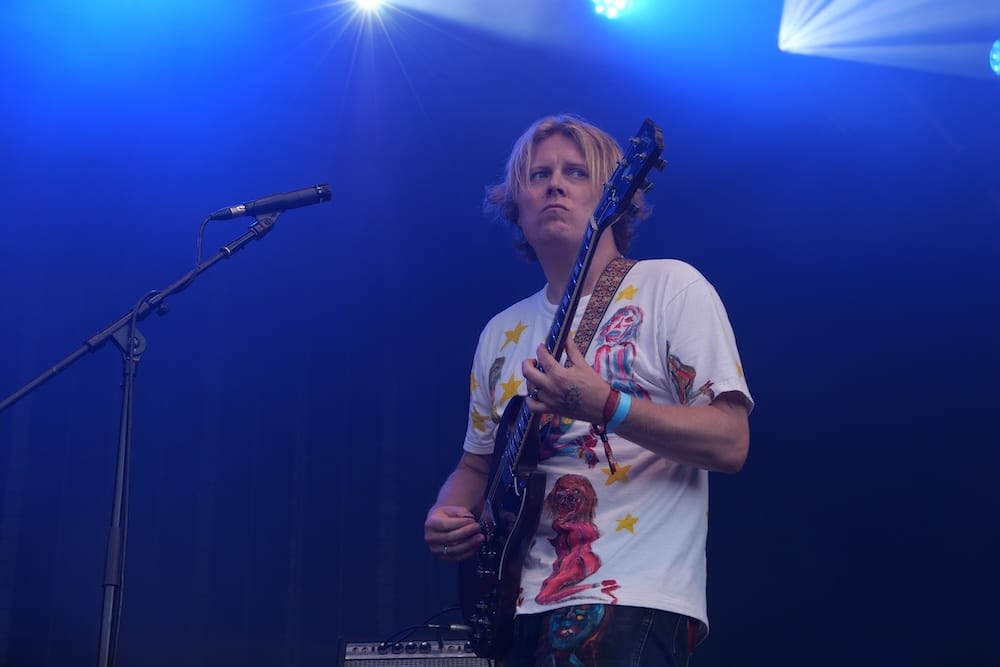
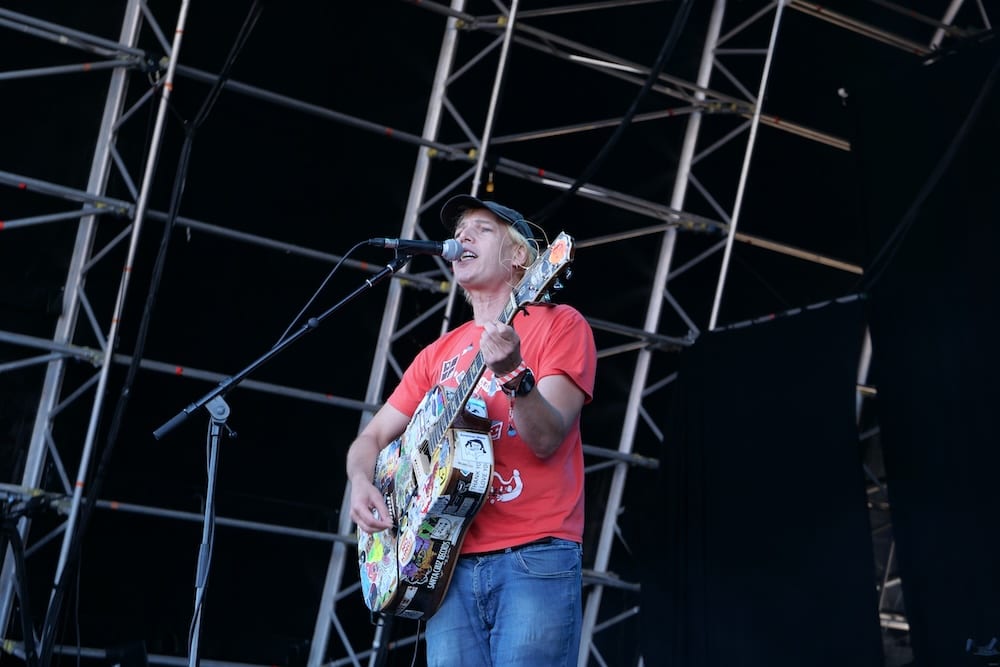
I could say much the same for Jeffrey Lewis, arriving on the main stage with his band The Voltage on Saturday afternoon, because he announced an additional acoustic set at a secret location, but the busy schedule limited me to just one Jeffrey this time around. It was a very fine one though, as this coolest of vinyl-loving geeks was positively steaming with wisdom and cynicism in equal amounts, just like the New York streets he calls home. The man is a natural entertainer and communicator too, showing his own comic book pages on the big screen to visually aid his story songs. Ultimately, his ace card to play is that chugging Velvet Underground sound he inhabits so naturally; ‘Sometimes Life Just Hits You’ is a swaggering triumph just as ‘Cult Boyfriend’ entices empathetic smiles from the adoring crowd. Similar contrasts appear in his closing poem, which explores how Jeffrey’s cultural experience is hungry for both loud aggression and quieter, vulnerable reflection.
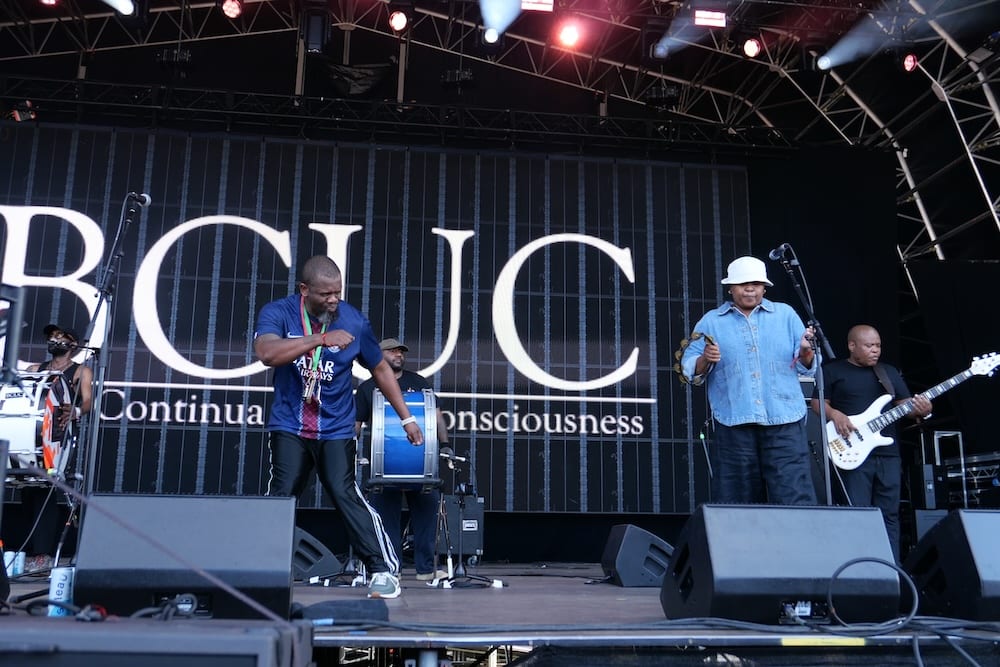
If Jeffrey Lewis believed this was an understanding audience to deliver a manifesto praising the joys of a wide cultural brief, then the next act up certainly proved the eclectic, far-reaching tastes of the E of the Road curators. BCUC, otherwise known as the Bantu Continua Uhuru Consciousness, brought an energetic global tinge to main stage proceedings in a set that wove the traditional sounds of their Soweto homeland with electronically forward-looking actions, sparking sounds with familiar psychedelic and immediate pop tones. Even without these crowd-pleasing tunes, this engaging seven-piece were more than capable of claiming a slice of Saturday evening action deservedly as their own.
Meanwhile, over on the Garden Stage, Madra Salach were busy making another EOTR 2026 case for the potency of folk music in the current conversation. These Dubliners play with the unvarnished grit of seasoned floor singers, combining it with sections of mesmerising drone that really lock you in; they deservedly hold a massive audience spellbound with a mix of older numbers from heavyweights like Ewan MacColl and their own songs. Singer Paul Banks prowls the stage with real menace but inadvertently reveals a gentler side thanks to a pair of terracotta wellington boots. Announcing that a small boy has lost one of his pair, he asks those in attendance to look out for the missing boot. Within the space of one song, a kerfuffle suddenly occurs at the back of the arena, before a cry of “wellies, wellies, wellies…” goes up. “You’ve found it?!” Banks’ expression is pure delight as he holds aloft the reunited boots after the obliging crowd passes the stray footwear forward to the stage.
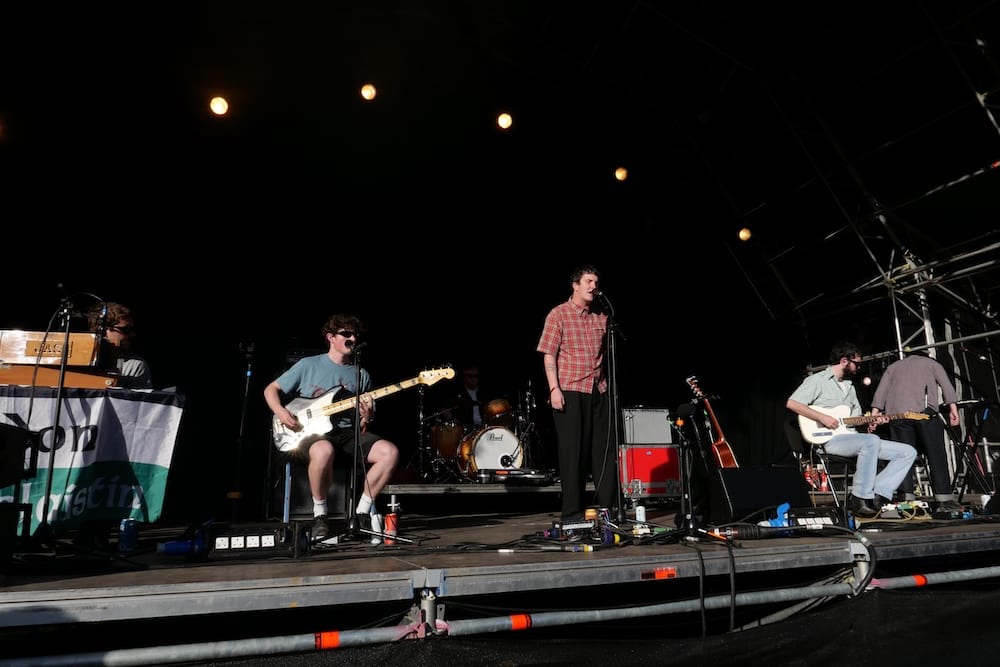
Over at the Folly arena, Kiran Leonard nostalgically remembers his first EOTR performing experience as a nineteen-year-old, joking about his now-senior status in the ripe old early thirties. Well, if that is how he feels, there is no sign of it in his playing, leading the band with fluid technique, fearlessly defying familiar forms, and the intensity of a man who expects the guitar to slice a way out of this large marquee arena. It is the sound of freedom, an artist daring to find a path in music previously unexplored.
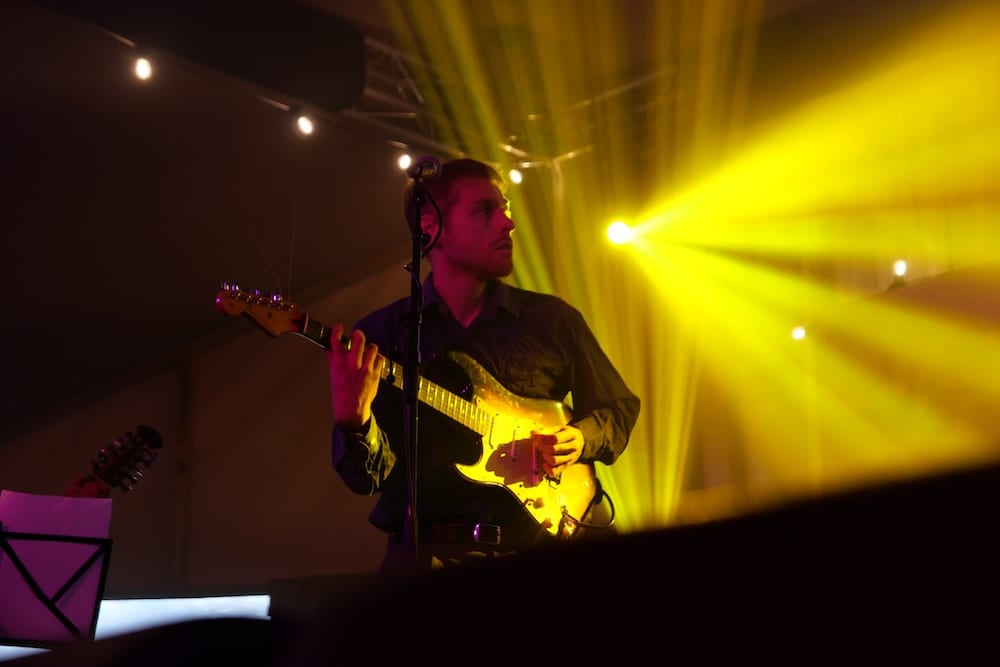
In contrast, over on the Talking Heads stage, Carson McHone presents a sound of a far more familiar hue. With her band, she unabashedly refines a style undeniably woven into classic folk-rock cloth. She is also living proof that no musical genre is devoid of relevance if it is connected to material written with craft, passion, and a good ear for a tune. She is all too aware that, in festival terms, she has drawn the short straw of appearing while a large portion of people flood to the main stage for the headline act. Nevertheless, most of those here recognise they are onto a good thing, witnessing a song writer with some genuine gold among songs from last year’s superb ‘Pentimento’ album, so they stay put until the end. I am one of them, which means I sacrificed catching the start of Pulp but, after all, they are playing for two hours, and I am certain 6music DJ Jarvis Cocker would approve of my choice.
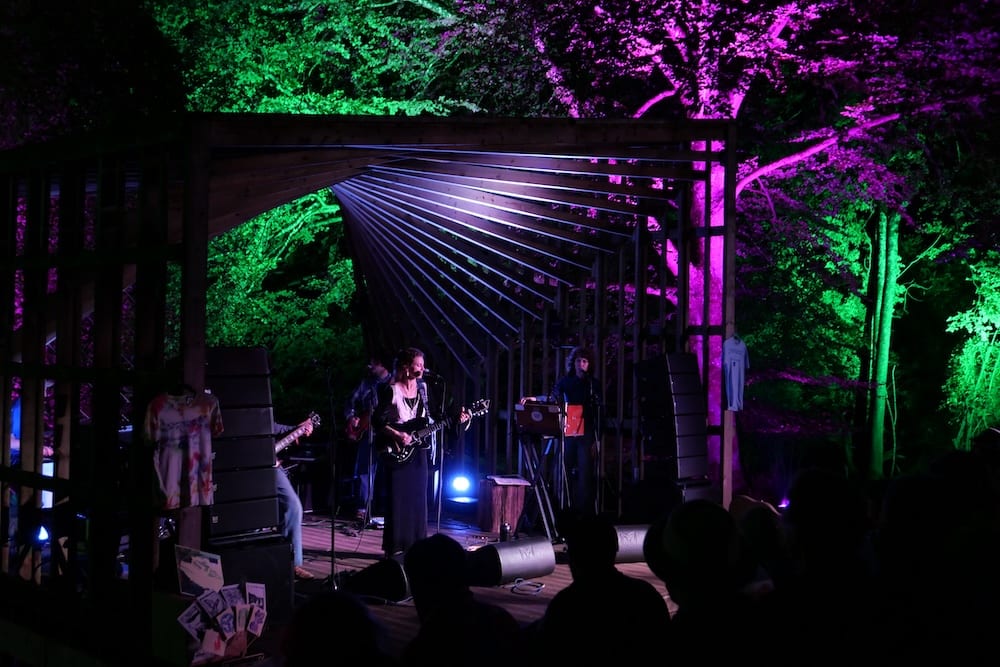
I still get to hear an impressive number of Pulp’s early singles and deep cuts among the Britpop classics. Their playing together tonight is the last time “for a while”, and Jarvis seems determined to savour the moment, as they generously pepper the set with fan-pleasing treats. Jarvis sings happy birthday to EOTR and soon enough ‘Common People’ causes the inevitable sing-a-long frenzy. I will say that the next day I frequently heard comments that Pulp should have ended with a bigger, euphoric bang, but I couldn’t agree less. Their penultimate song ‘Something Changed’ was heavily weighted in pathos, especially with the back screen images of their younger selves, and beautifully moving it was too. Finally, ‘Sunrise,’ which I have long felt is one of Pulp’s greatest pieces, simultaneously conjured thoughts of times now gone and the promise of many new dawns. Essentially, they may well be the ultimate band to represent the legacy of this festival, the deep cultural principles at its core and the wider societal impact I believe most in attendance wish for the best music to realise.
The final morning began with a flurry of early-bird acts that I was determined would not be thwarted by scheduling pile-ups. Firstly, it’s over to the Folly for WARBY, the vehicle for Russell Warby to bring his song writing talents to the world. The takeaway is that there is clearly a lot of mileage left in soulful pop if someone, as Russell clearly has, hits it with the right amount of conviction; it reminded me a little of Baby Bird. Over at the Woods, Lily Seabird was similarly confident in her delivery of outsider folk-rock from her second album ‘Trash Mountain.’ Some artists can feel dwarfed when trying to occupy the space on a festival main stage, but Lily felt and looked totally at home in this setting.
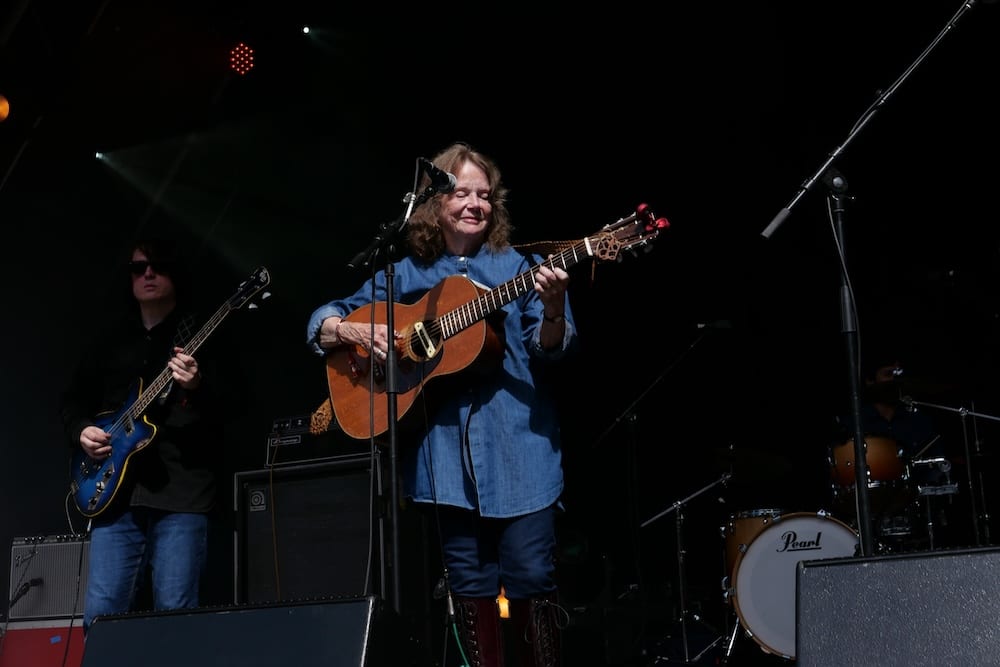
Meanwhile, the Garden stage was playing host to the legendary Bonnie Dobson backed by the exactingly complimentary Hanging Stars. Today she is one of folk music’s greatest living icons, happy to joke about her longevity (“you do worry when playing a festival called EOTR that it doesn’t turn out to be”) but also happy to recall knowing Bob Dylan “when he was funny, and he really was” and the story of her writing the classic ‘Morning Dew’ in 1961. The band feel like a masterstroke in pairing, knowing exactly the gradient of acid-folk kneading these songs require to bloom once more; this was an absolute treat.
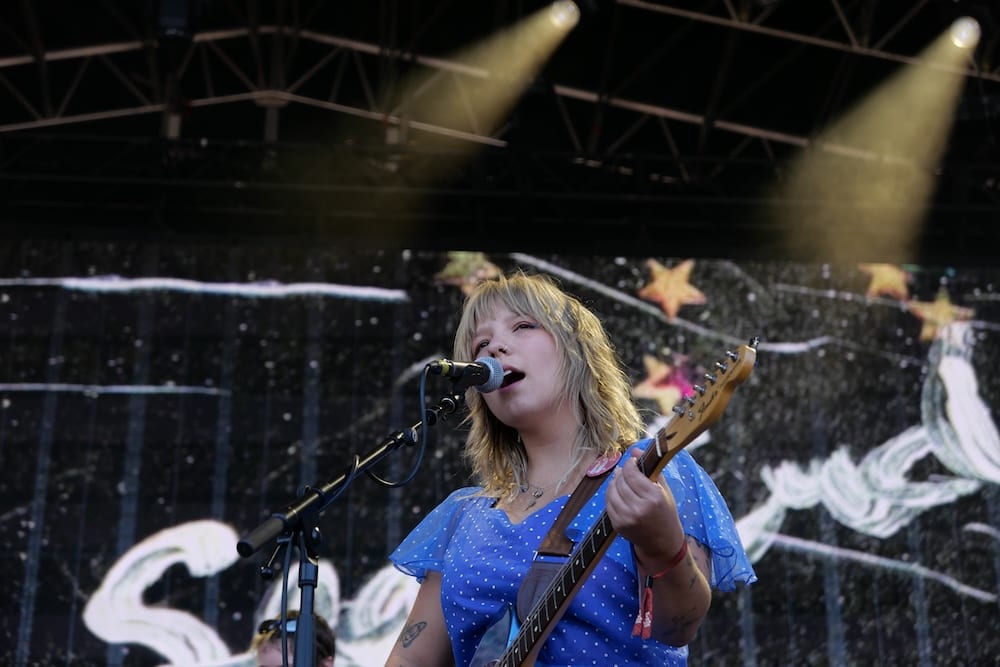
Folk music in general loomed large for me on this final day, although it certainly didn’t result in any similarity of tempo or feel. The afternoon mainstage set from Melbourne’s Folk Bitch Trio proved them to have something of a misleading name. Yes, there are three of them, but they showed very little aggression or confrontation, as one might expect. Theirs is a serene sound, perfect for a sunny afternoon, wherein three voices combine on songs of young adult relations and the various traumas that lie within and in so doing make a sound not unlike First Aid Kit – that good indeed.
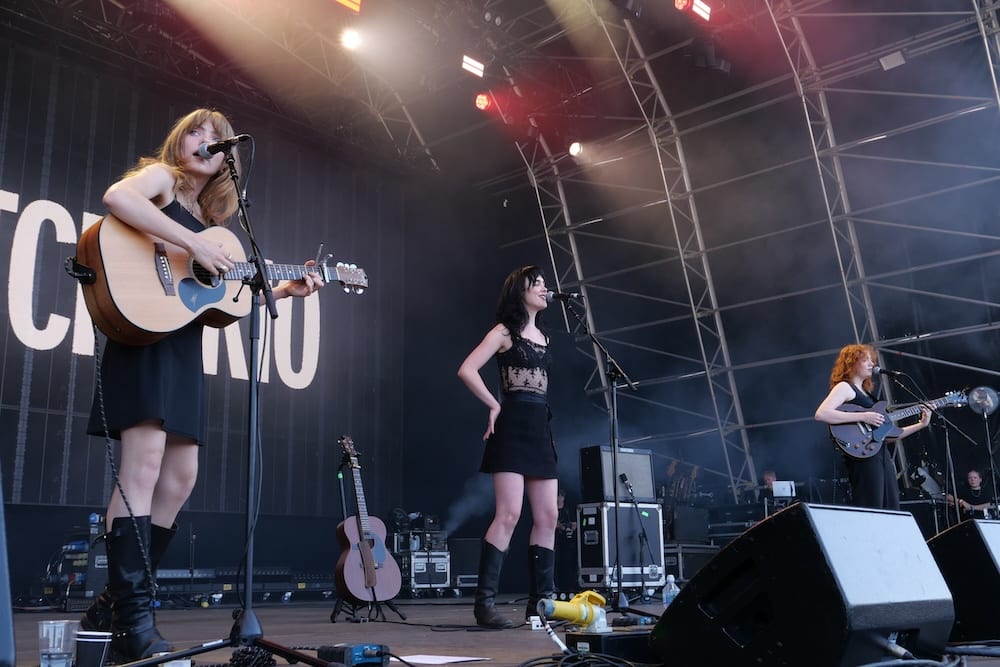
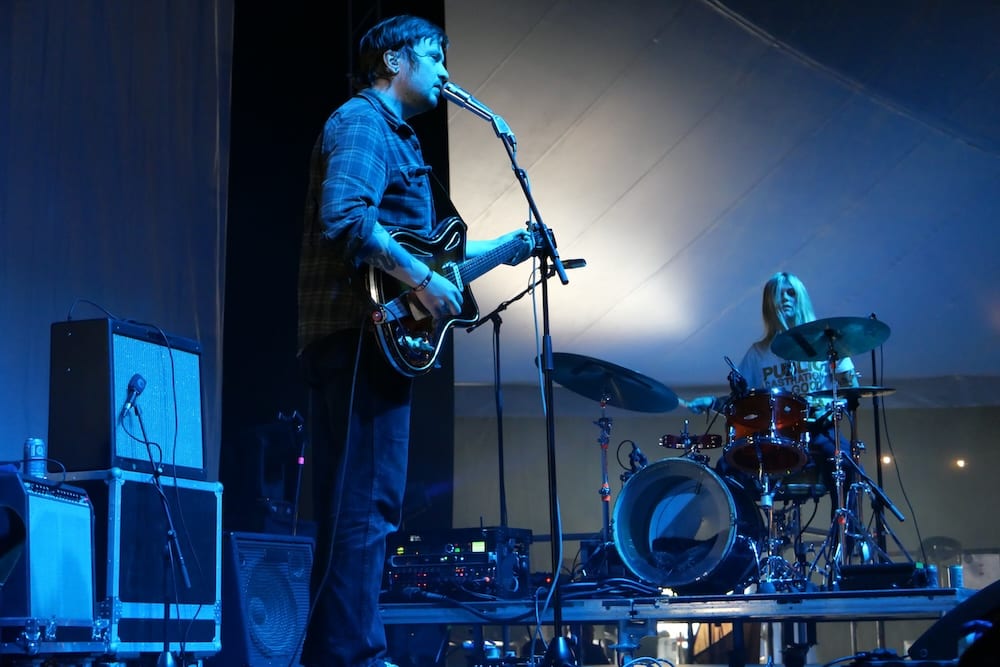
Over at the Talking Heads, Ohtis singer Sam Swinson has been through a hellish day (further details in the upcoming KLOF interview), but he soldiers on alongside bandmate Benjamin Woods of the Golden Dregs. The intimate session has the feel of a Sunday afternoon confessional, especially after Sam takes to the piano and closes with a solemn rendition of Bob Dylan’s ‘When He Returns.’ It unfolds like we have witnessed a chronically under-the-weather performer trusting the power of music to carry him home, which it absolutely does.
On the other hand, Marisa Anderson is positively sprightly as she straps on her electric guitar and treats us to a selection of eclectically sourced material re-purposed into expressive vehicles for her own classically inflected six-string majesty. Explaining that the tunes found for her ‘Anthology Of Unamerican Folk Music’ album were dug out because she wanted to move towards material that America, in its all too frequent states of conflict with the various source nations, had effectively made unattainable. This felt like being in the presence of a scholar, and indeed we were, albeit one with a very pleasing facility for hypnotically holding and entertaining an audience.
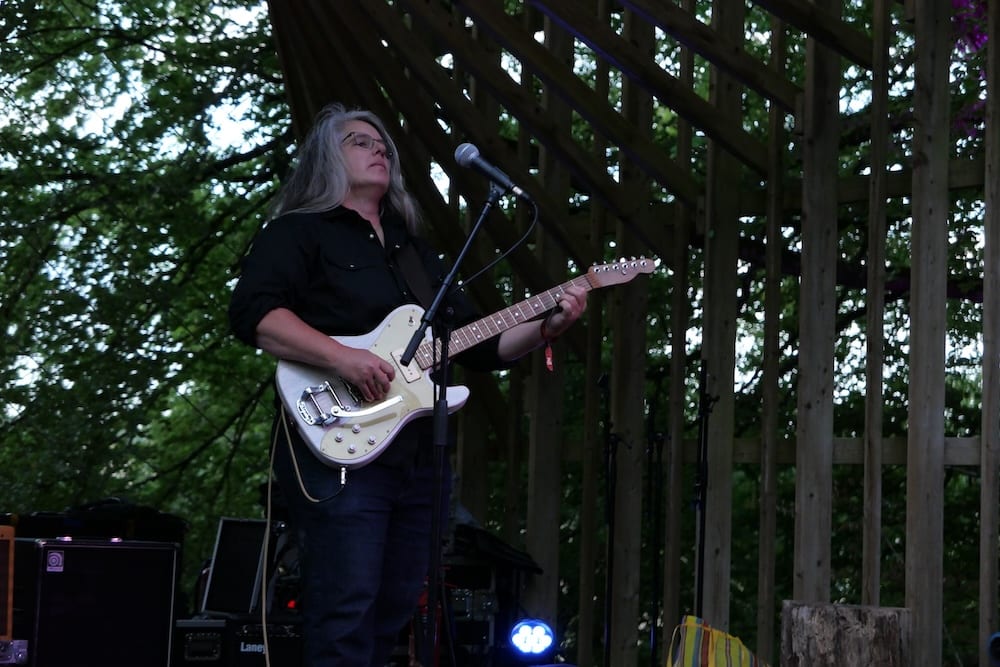
The next folk instalment arrived as the evening sun set, and ØXN took to the Garden stage. This was the kind of intensity that should be administered as a health supplement to those of a casual disposition. The four-piece, featuring Radie Peat (Lankum), John’ Spud’ Murphy and Eleanor Myler (Percolator), and genre-defying solo artist Katie Kim are not here to paint a picture of life’s lighter side. Rather, they like murder ballads that run long enough for the unfortunate victims’ blood to turn cold and then advance to emphasise the trauma with extended drone-enriched codas and breathless reprises. It is nothing less than vital: ØXN are spray-painting a space for folk tradition in the modern arena, disregarding the rule books and freely building sounds that evoke the subject matter being sung. At times, as the electronics spiral and the humming repetitions grow, you begin to believe a murder ballad-and-Kraftwerk crossover notion has long been established, but I am not sure that is the case; this feels genuinely new and essential.
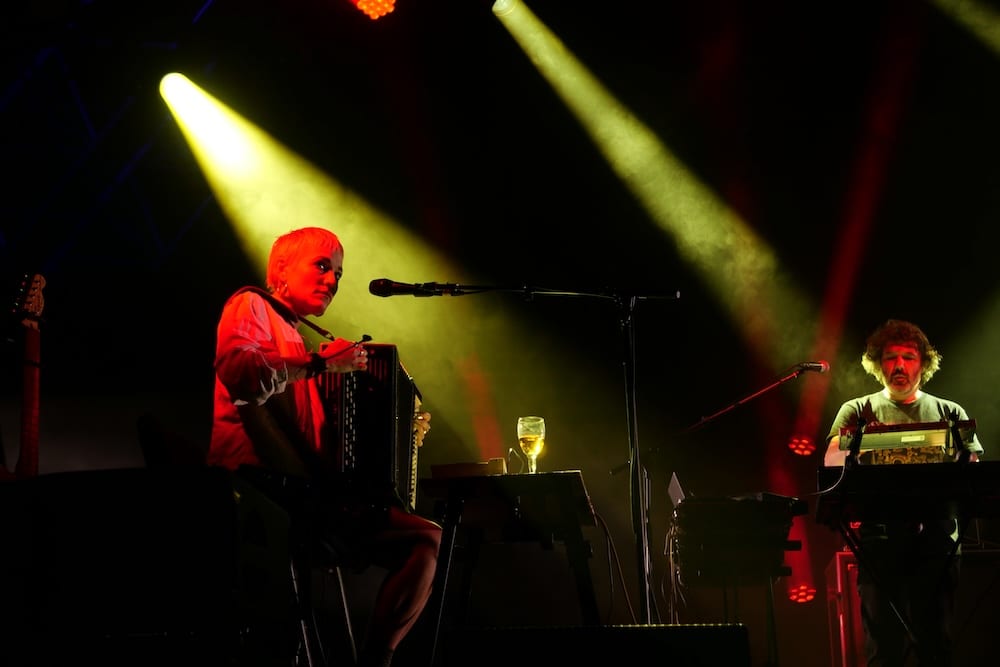
It points the way for how my evening will close, over at the Big Top under the spell of Anna Von Hausswolff. Here is someone whom I first came across more than a decade ago when she was an ingenue of the keyboard and organ, an artist who was sailing around prog waters. Well, in 2026, especially after the release of her latest ‘ICONOCLASTS’ album, Anna has clearly evolved into an overwhelming audio/visual spectacle. The effect is that of an act who, recognising the destructive state of the world all around, is resolving to rip everything up in the hope that some brave new world, not to mention bold fresh sounds, can be alighted upon. In a way, that feels similar to where we find EOTR with twenty years on the clock: a festival fully equipped to help map music’s bold new horizons of the 21st century, while overloading us with a long four-day weekend of wild, exciting thrills and spills every time it comes around.
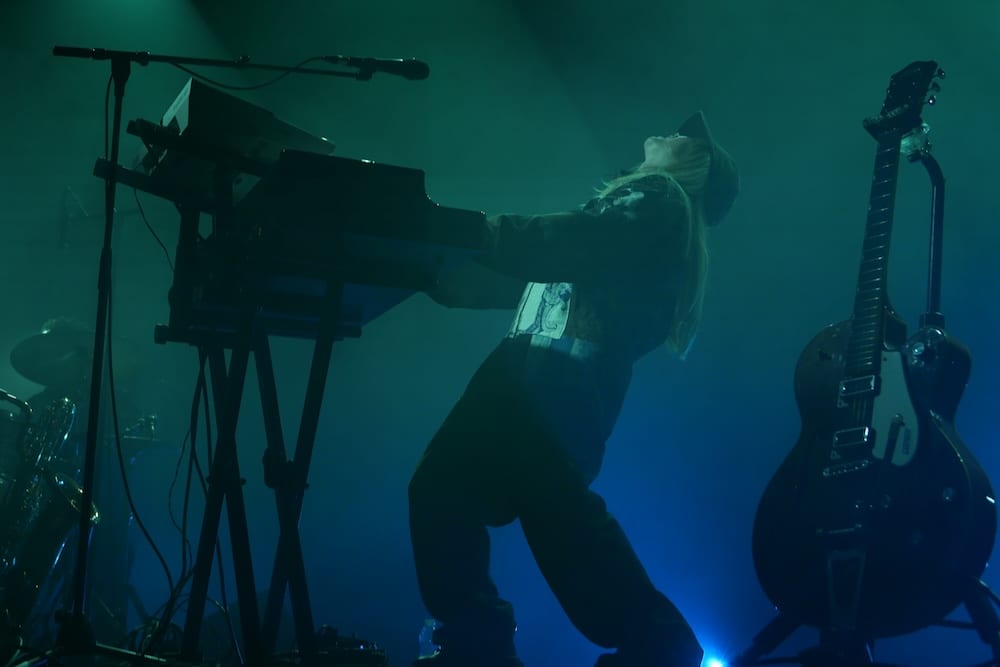
Keep an eye out for Danny’s upcoming End of the Road interviews.