
Our latest Mixtape is all from the 1970s, with a focus on Eastern influence and the rise of ambient music courtesy of Ernest Hood, Brother Ah, Henry Lowther Band, Don Cherry and Dortohy Carter, alongside some hippie folk troubadour favourites from that period, including Dave Evans, Mike Cooper, Gary Higgins, C.O.B, Vashti Bunyan, Michael Hurley, Bert Jansch and the Incredible String Band.
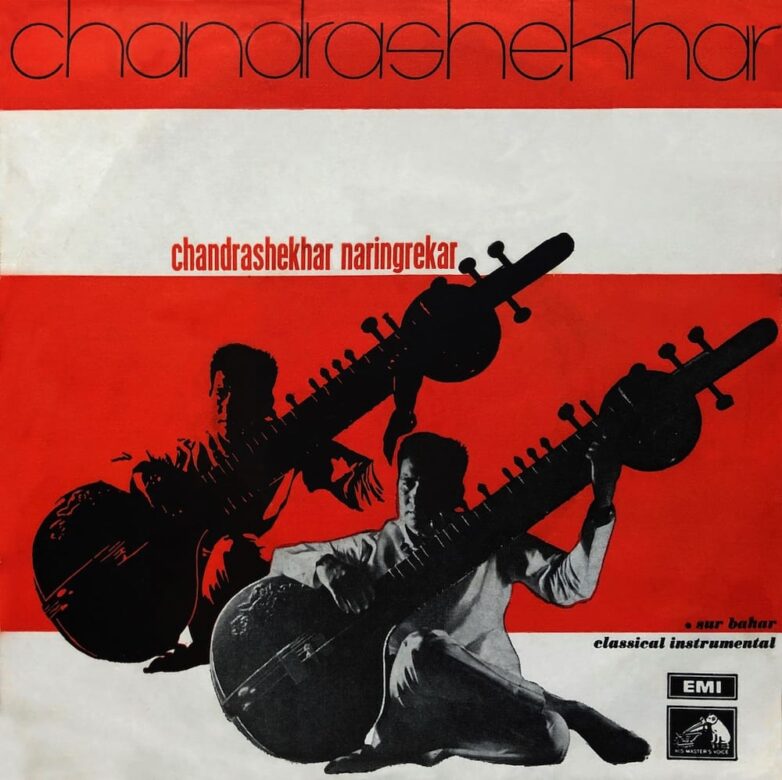
In the 1970s, Eastern music, such as Chandrashekhar Naringrekar (featured), was having a deeper influence on Western musicians that went way beyond the trendy sitar accompaniment we saw in the 60s, developing into a deeper fusion with the likes of Don Cherry (featured) and Alice Coltrane, incorporating Eastern drones and scales into their avant-garde jazz, seeking a “universal sound” that transcended Western major/minor keys.
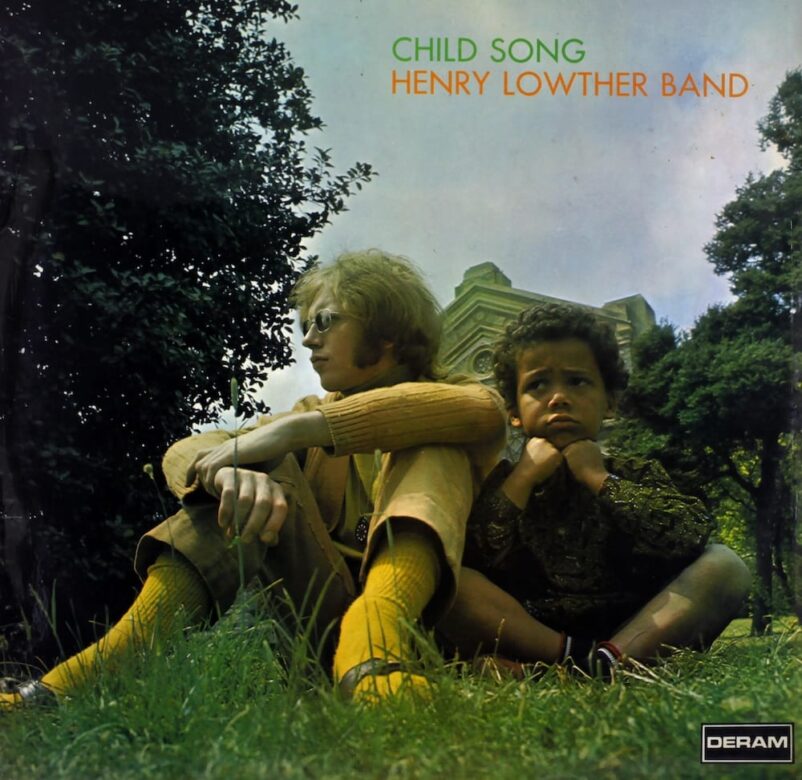
If the 1970s were a journey from the outer world to the inner self, Henry Lowther’s Child Song (1970) is the perfect launchpad. Released at the very dawn of the decade on the progressive Decca Deram label, this album is a masterclass in how British jazz musicians were absorbing mysticism and experimentation to create something that felt both ancient and futuristic.
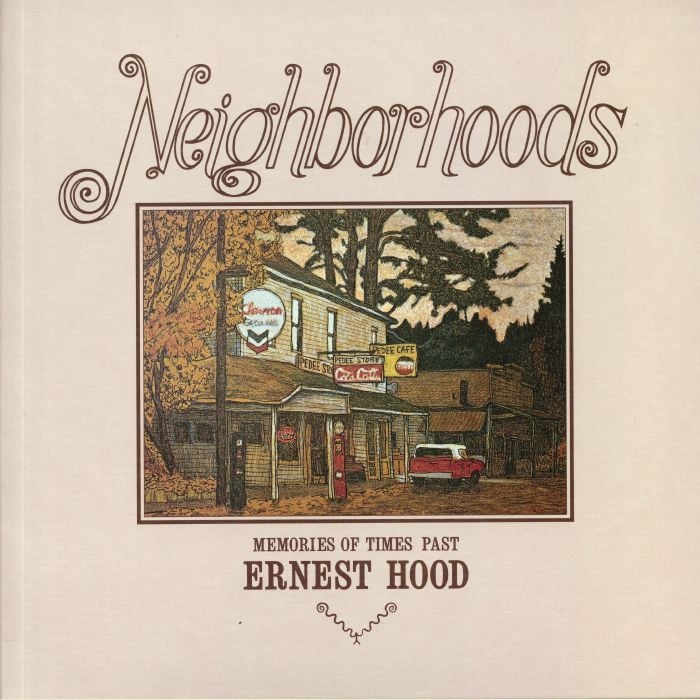
Ambient music was moving away from the “storytelling” of traditional songs toward the creation of a “sonic environment”. Ernest Hood (featured) represents the “grassroots” side of 1970s experimentation and ambient music. His most famous work, Neighbourhoods, was a privately pressed masterpiece that remained in obscurity for decades before being reissued in 2019. He transitioned from being a jazz guitarist to a pioneer of environmental soundscapes after a health setback in the 1950s left him wheelchair-bound. As you can hear on the three tracks that bookend and centre this mix, his use of tape recorders to capture the “pedestrian” sounds of his world: screen doors slamming, children playing, birdsong, and neighborhood chatter, which he paired with his own melodies played on the zither and the Roland SH-3A synthesiser, are deeply nostalgic and a little like revisiting ghosts of the past. His later-released archival recordings (recorded between 1972 and 1982) show a shift from the suburban focus of Neighborhoods to the mysticism of nature (such as on Rain). Hood believed field recordings could serve as a vehicle for “liberation,” specifically for homebound listeners or those with mobile disabilities like his own.
Enjoy
Be part of the KLOF Mag Community
If you’d like us to soundtrack your week, sign up for our paid Substack Newsletter, where one of the perks includes our weekly playlist (available on Apple Music, Tidal, Spotify, Qobuz and YouTube). This helps to support the work of KLOF Mag, which brought you over 900 articles in 2025, including Album Reviews, Interviews, Guest Features, News, Mixtapes and Playlists. For the cost of a coffee each month, this makes a huge difference to us and helps to secure our future. Be part of the KLOF Mag Community and Sign up here.
Music Played
- Ernest Hood – Gloaming (Neighborhoods) 00:00
- Brother Ah – Nature’s Children (Move Ever Onward) 08:20
- Henry Lowther Band – Trav’lling Song (Child Song) 14:16
- Robbie Basho – Green River Suite (Visions of the Country) 22:38
- Dave Evans – Lady Portia (Elephantasia) 30:12
- Mike Cooper – Sitting Here Watching (Trout Steel) 33:19
- Ernest Hood – Rain (Back to the Woodlands) 36:22
- Chandrashekhar Naringrekar – A Raga Kaunsi Kanada (7″ Single) 39:47
- Dorothy Carter – Tree of Life (Troubadour) 47:01
- Don Cherry – Om Shanti Om (Om Shanti Om) 53:54
- Bert Jansch – Stone Monkey (L.A. Turnaround) 01:00:41
- Kevin Coyne – Old Soldier (Marjory Razorblade) 01:03:43
- Gary Higgins – I Can’t Sleep At Night (Red Hash) 01:07:31
- C.O.B – Scranky Black Farmer (Spirit of Love) 01:11:14
- Incredible String Band – Saturday Maybe (No Ruinous Feud) 01:14:44
- Vashti Bunyan – Where I Like To Stand (Just Another Diamond Day) 01:18:24
- Michael Hurley – Be Kind To Me (Armchair Boogie) 01:20:42
- Ernest Hood – Open Fields (Back to the Woodlands) 01:23:28